
Dr Polly Corrigan died aged 45 in 2019. At the time of her death, she was a PhD candidate and a teaching assistant at Kings College London Department of War Studies. Her doctorate was awarded posthumously in February 2022.
Polly’s thesis investigates the role of Stalin and the political police in the censorship and repression of hundreds of Soviet writers during in the 1930s. She spent several weeks visiting newly opened Soviet archives in Ukraine and Georgia enabling her to profile individual Soviet writers and the literary organisations that aided the Soviet security services. Her two chapters on Ukraine are to be included in a collection of essays to be entitled Ukraine: Executing Renaissances, edited by Professor Josef Wallmannsberger and to be published by Columbia University Press in Spring 2024. It will include contributions from leading Ukrainian scholars including Olga Bertelsen and Victoria Malko – in whose company, Wallmannsberger observes ‘she would have felt to be exactly where she belonged’.
Polly was an active and respected member of KCL Intelligence and Security Group and a founder member of WIN (Women in Intelligence Network), launched six months after her death. Her lecture on gender and espionage entitled The Lady Vanishes identified a gender imbalance in both espionage itself and within intelligence research.
The Polly Corrigan Book Prize was set up jointly by KISG and WIN in her memory to celebrate female scholarship within the realm of intelligence and security. The 2024 winner of the award was Sophie Duroy, lecturer in Law at Essex University for her book, The Regulation of Intelligence Activities under International Law.

The first winner of the award, was
Dr Molly Pucci, Assistant Professor of European History at Trinity College, Dublin, was announced in September 2022 at a joyous event at Kings College Department of War Studies.
Polly’s interest in censorship, sparked by her PhD, led to her contributing a chapter (Walking the razor’s edge: the origins of Soviet censorship) to Illiberal Liberation, The Fate of The Bolshevik Revolution, published shortly after her death. She spoke about this in an interview with the Canadian education technology company, IB Historicus.
Biog: Polly grew up in Camden Town, attended Primrose Hill Primary School, Haverstock School, Liverpool University studying history and did an MA on Ukraine dissidents at London University and spent a year in Moscow teaching English in 1993. In her twenties, she worked briefly for the Guardian, as a writer at a dot.com company and became the Telegraph’s first online features editor. She married Rhys Morgan in 2005, living in Walthamstow with their two children, Martha and Rosie, (13 and 9 at the time of her death) and two cats Francoise and Claude. She reappraised her life after Rosie’s birth in 2010 and began the PhD, aged 41, in 2015.
Polly engaged fully in combatting cancer. She tweeted (@PollyCorrigan) about her first journal article the day before she died. The following morning, she talked contentedly about living longer and seeing her beloved daughters continue their wonderful lives, sadly not to be.
This website remains a work in progress and any and all contributions gratefully received.
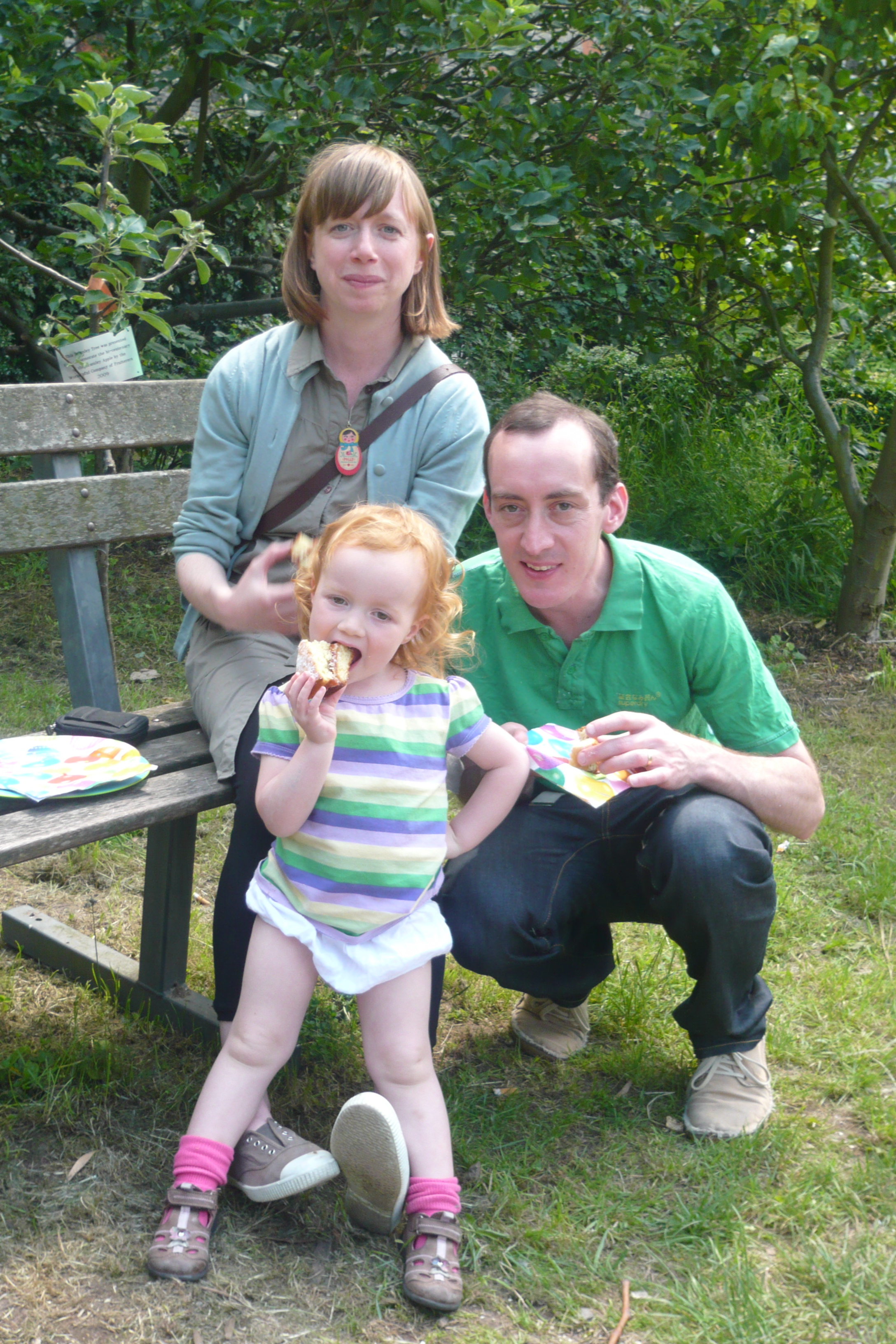
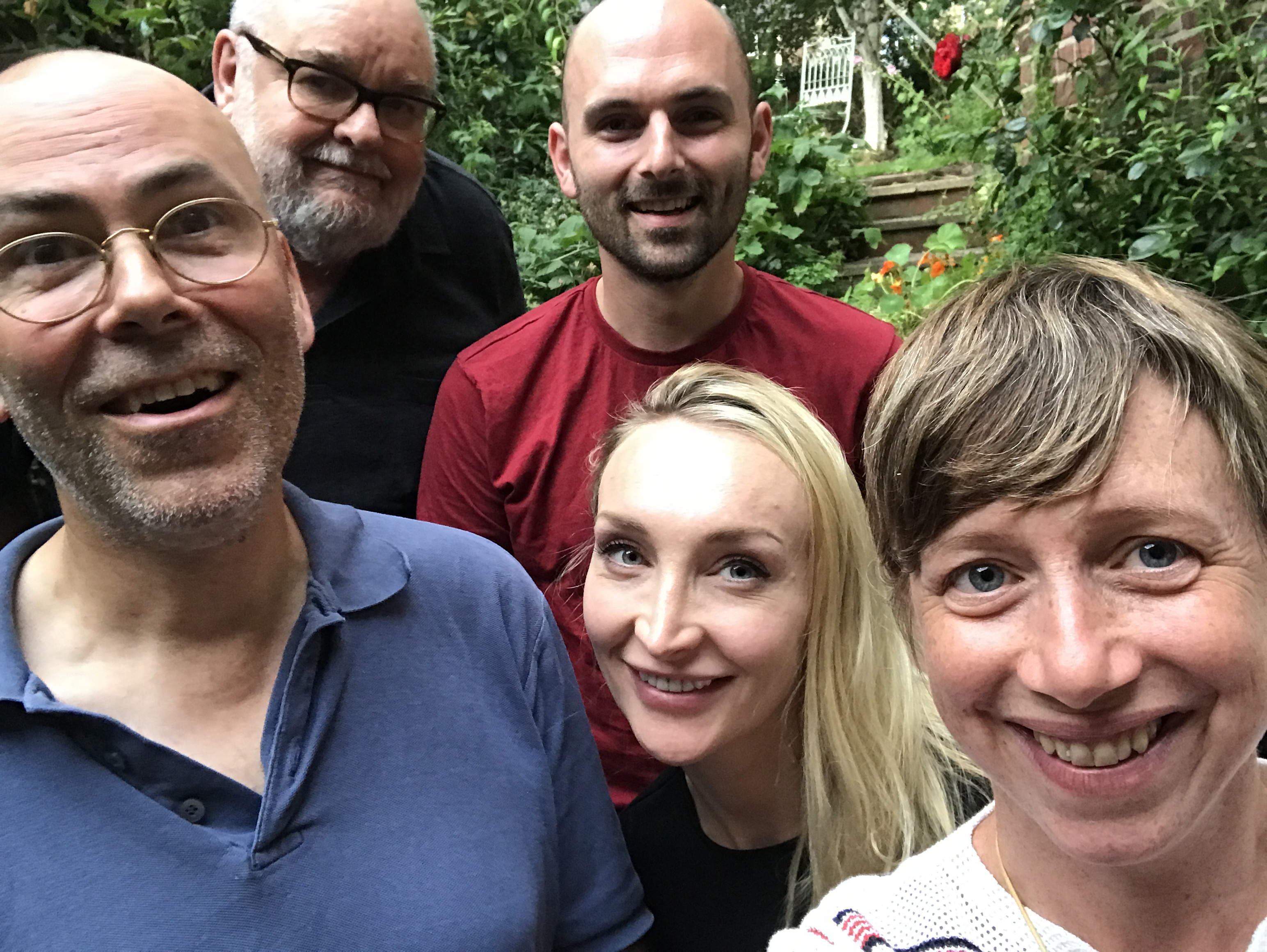
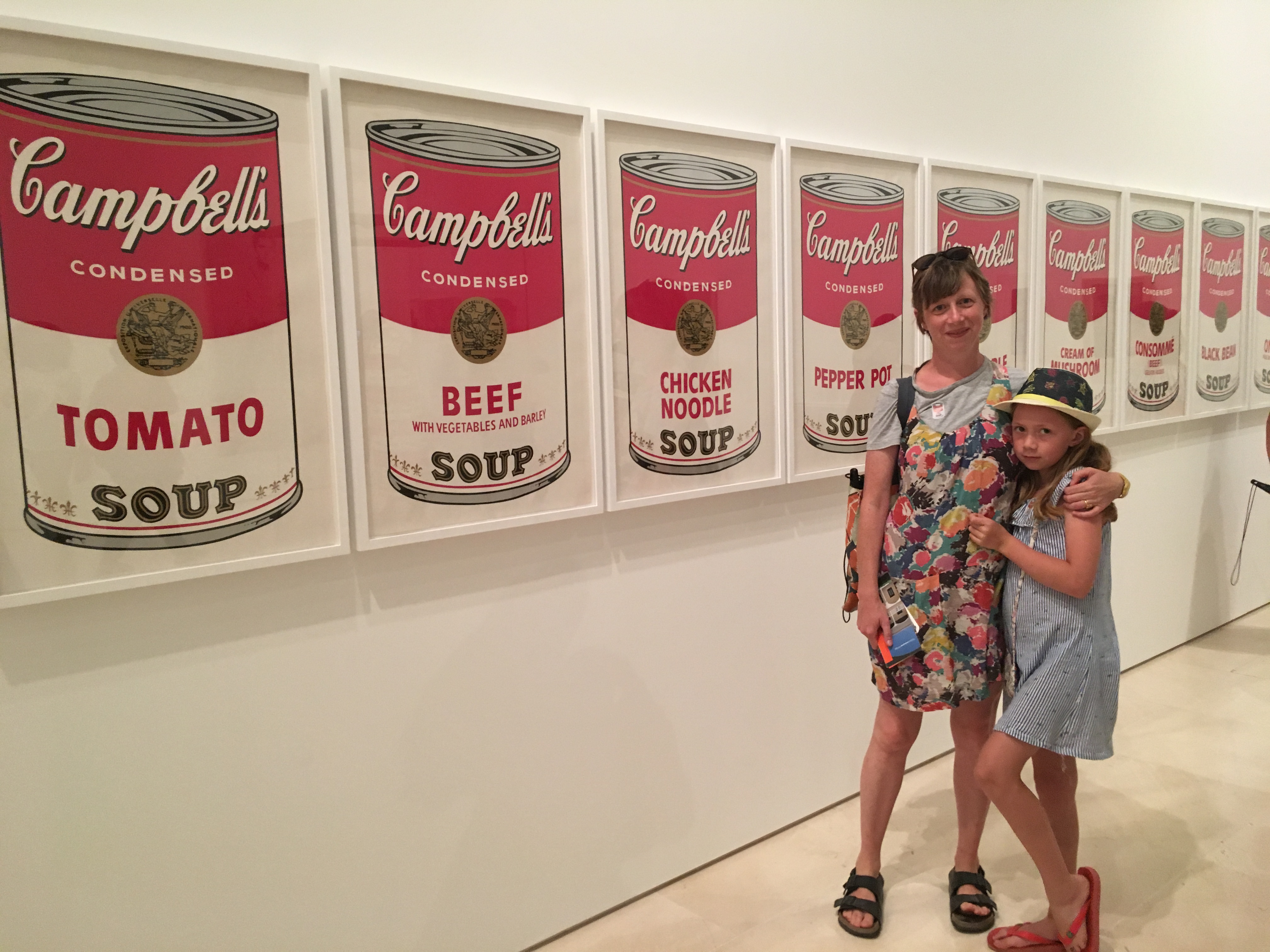
Clockwise: Polly Rhys and Martha having a picnic, with her co-writers planning Illiberal Liberation, and at a gallery with Rosie. ADD MORE

 Polly Corrigan Memorial Blog